Keeping Our Heroes Safe: A Team Effort to Fight Cancer in the Fire Service
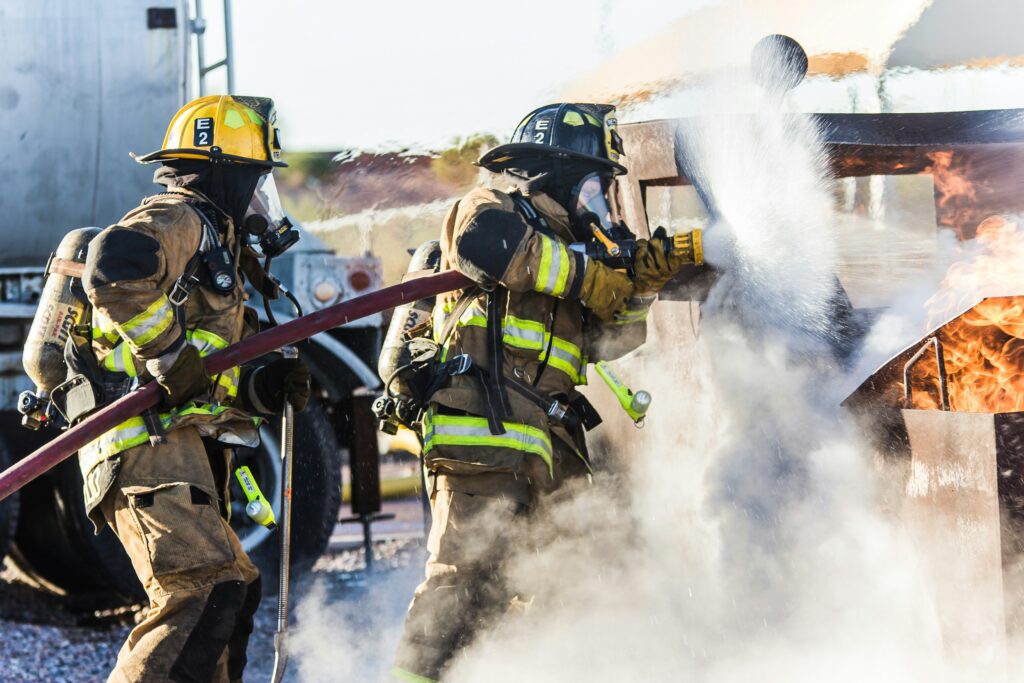
For years, the firefighting community has faced a grim reality: firefighters develop cancer and other chronic illnesses at significantly higher rates than the public. To tackle this crisis, the University of Miami Sylvester Comprehensive Cancer Center established the Sylvester Firefighter Cancer Initiative (FCI), a program designed to bridge the gap between scientific discoveries in a lab and real-world safety changes on the fireground.
The success of the Sylvester FCI depends on two key concepts: translation and translational science. Translation is the process of taking observations from laboratories or clinics and turning them into practical interventions—like new medical procedures or behavioral changes—that improve public health. Translational science is the field that creates the innovations needed to overcome the scientific, financial, and administrative hurdles that often slow down research, making the entire process faster and more effective.
The FCI uses a “team science” approach, which means it isn’t just researchers working in a vacuum. Instead, it brings together a multidisciplinary team including:
- Scientists from the University of Miami and multiple other academic institutions
- Firefighters who offer first-hand experience from the field
- Legislators who have the power to turn data into new laws
By working together, this team has moved research from theory into life-saving protocols. Their work has led to new decontamination methods to limit toxic exposure, engineering solutions for redesigning firetrucks, and policy changes based on hard data. One of the biggest global milestones of this effort was when the International Agency for Research on Cancer officially recognized that the work environment of a firefighter involves exposure to Class 1 carcinogens, which are substances known to cause cancer in humans.
To ensure these lessons continue to save lives, the Miami CTSI is launching video modules to teach students and research professionals how these “boundary-crossing” partnerships work. These materials are being shared with other institutions to show how researchers and non-researchers can collaborate to drive medical progress. By exploring the use of digital badges through the National Center for Advancing Translational Science (NCATS), the program is not only protecting the heroes of today but also training the next generation of scientists to solve the world’s most pressing health challenges.
About FCI
Project dedicated to reducing high cancer rates among emergency responders. The curriculum utilizes video modules to showcase how a diverse group of scientists, legislators, and firefighters collaborate to move research from theory into real-world safety protocols. Students and researchers will examine how the team navigated complex scientific barriers to achieve practical outcomes like improved decontamination methods and significant policy changes. By sharing these materials with other institutions, the program aims to provide a comprehensive framework for understanding how multidisciplinary partnerships drive medical and occupational progress. This initiative highlights the essential role of non-researcher engagement in translating laboratory discoveries into life-saving risk reduction strategies.