
From Data to Guidelines: How the MASALA Study Advanced Earlier Detection of Heart Disease in South Asians
Summary
South Asians face some of the highest rates of heart disease worldwide yet have historically been underrepresented in U.S. research and clinical guidelines. The Mediators of Atherosclerosis in South Asians Living in America (MASALA) study—supported by over 24 million in grant funding from the NIH since 2010 and utilizing the Clinical and Translational Science Award (CTSA) infrastructure—helped change that. Data from MASALA informed recent 2018 American Heart Association/American College of Cardiology and again in the recently released 2026 multisociety-dyslipidemia guidelines, which recognize South Asian ancestry as a risk-enhancing factor and recommend earlier screening. By translating long-term cohort data into national policy, this work is helping clinicians better identify and prevent heart disease in a population representing a growing segment of the U.S. and global population.
The Problem
Heart disease is the leading cause of death worldwide, responsible for roughly 30 percent of all deaths. South Asians, people with origins from India, Pakistan, Bangladesh, Nepal, and Sri Lanka, Bhutan, and the Maldives, bear a disproportionate burden. Globally, they account for an estimated 60 percent of heart disease cases, and in the United States, they experience higher rates of atherosclerotic cardiovascular disease at younger ages compared to other groups.
Despite this risk, South Asians have historically been underrepresented in major U.S. studies. As a result, clinical guidelines often fail to reflect their unique risk profiles, leaving clinicians without clear direction on when and how to screen.
The Action
Launched between 2010 and 2013, the Mediators of Atherosclerosis in South Asians Living in America (MASALA) study set out to address this gap. MASALA is the only large, longitudinal U.S. cohort focused specifically on South Asian Americans currently with over 5.4 million U.S. residents.
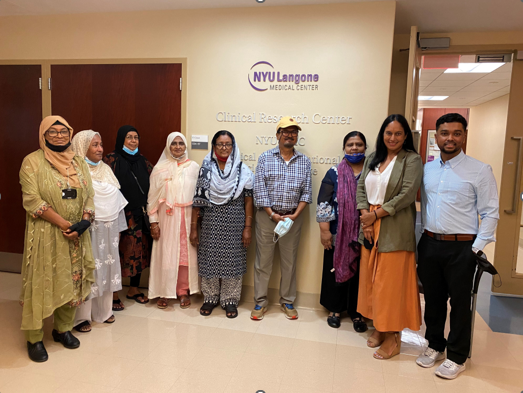
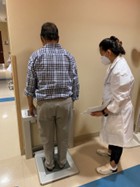
The study has enrolled more than 2,300 participants across multiple sites, including the University of California, San Francisco; Northwestern University; and, more recently, New York University. Critically, MASALA relied on Clinical and Translational Science Award (CTSA)–supported Clinical Research Centers at these institutions to conduct detailed, standardized clinical exams—ranging from fasting blood tests and imaging to culturally tailored surveys administered in multiple languages.
The Change
Over more than a decade of follow-up and rigorous data collection, MASALA generated a robust body of evidence showing that South Asians develop cardiovascular risk factors earlier in life and face elevated risk not fully explained by traditional factors. The study has produced numerous peer-reviewed publications and has become a foundational data source for understanding cardiometabolic risk in South Asian populations.
The Impact
MASALA’s most significant impact is now reflected in national clinical practice. In recently updated multisociety dyslipidemia guidelines, South Asian ancestry is explicitly recognized as a risk-enhancing factor for cardiovascular disease. The guidelines also emphasize the need for earlier and more proactive screening in this population. Additionally, in 2015, the American Diabetes Association lowered the body mass index (BMI) criteria for screening Asian Americans for diabetes to 23 kg/m2 based on data generated in part from the MASALA Study.
This shift means clinicians can better identify high-risk patients earlier, leading to more timely prevention and treatment.
Why It Matters
South Asians represent 23% of the global population and are one of the fastest-growing populations in the United States with a substantial portion of the global population at risk for cardiovascular disease. By ensuring that this group is recognized in national guidelines, MASALA is helping shift clinical practice toward more equitable, evidence-based care.
This work also highlights the critical role of the CTSA program. Without CTSA-supported Clinical Research Centers, it would not have been possible to conduct the kind of rigorous, longitudinal, and culturally responsive data collection needed to generate these insights.
By connecting CTSI infrastructure, community-engaged research, and national policy, MASALA demonstrates how translational science can move from data to real-world impact—improving how disease is detected, prevented, and managed for millions of people.
Related Links
- Study website: masalastudy.org
- JAMA article: MASALA Study Suggests Earlier Cardiovascular Vigilance Needed for People With South Asian Ancestry
- Epicenter article: For South Asians, healthy habits don’t erase heart risk: study
Impact Data
Data on scope of the problem
- 30% of all global deaths are caused by heart disease
- 60% of heart disease cases occur in South Asian populations
Data on the breadth and depth of the collaboration and participation
- Multiple CTSA-supported sites enabled standardized, culturally tailored data collection
- 2,300+ participants enrolled across multiple U.S. research sites
- 10+ years of longitudinal data on South Asian cardiovascular risk
Data on demonstrated and potential impacts
- 2 major guideline updates influenced (2018 & 2026 cardiovascular guidelines)
- 1 key policy shift: South Asian ancestry recognized as a cardiovascular risk-enhancing factor
- Earlier screening recommended nationwide based on MASALA evidence
- 5.4M+ South Asians in the U.S. potentially impacted by MASALA findings
- 23% of the global population may be impacted by improved risk recognition